What Can I Eat with Celiac Disease?
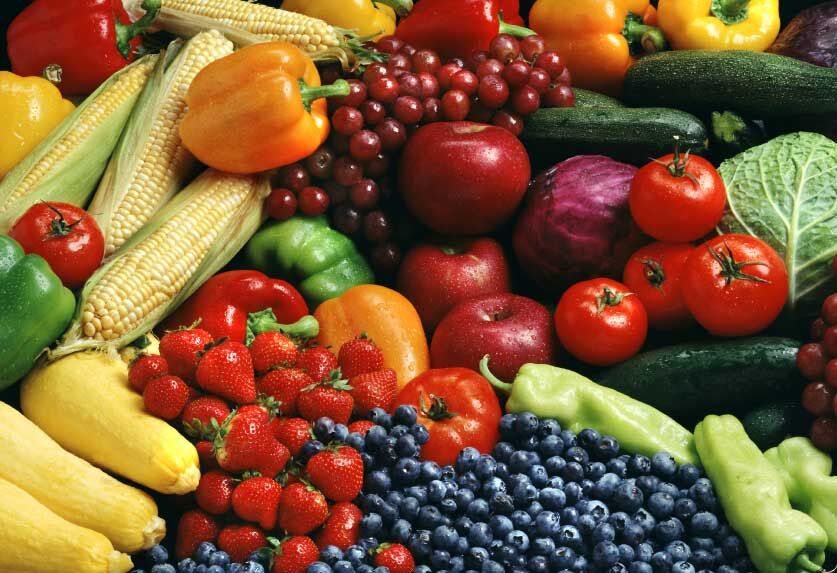
Fruits are a nutrient-dense gluten-free option for individuals with celiac disease. You will benefit greatly from the antioxidants found in fruits such as blackberries, strawberries and cranberries. Antioxidants may prevent cellular damage caused by free radicals.
Naturally Gluten-Free Vegetables
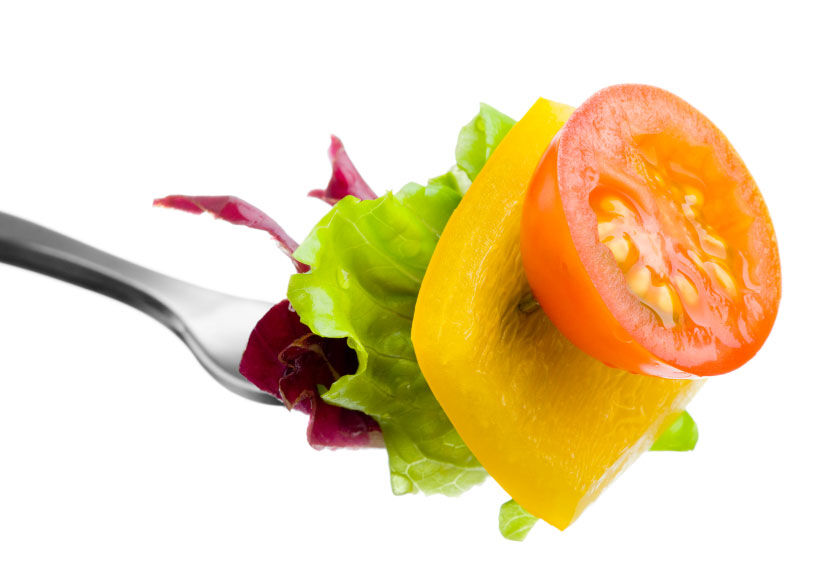
Like fruits, vegetables are naturally gluten-free, opening dieters up to a wide variety of safe gluten-free foods. In addition, cruciferous vegetables such as broccoli and cauliflower may lower your risk of certain types of cancer due to their antioxidant properties. Many gluten-free choices such as vegetables provide healthier food options.
Olive Oil and Other Heart-Friendly Oils
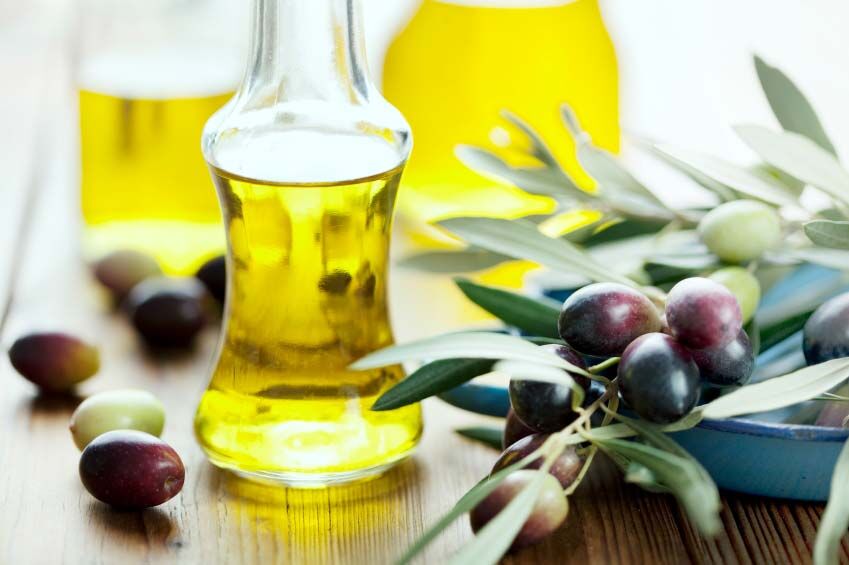
Healthy oils such as olive, canola, and safflower oil contain no gluten. They also provide a solid alternative to saturated fats. The American Heart Association believes that such alternatives may decrease your risk of heart disease. Saturated fats like butter may also contain gluten depending upon the additives included in production.
Eggs for Vitamin D
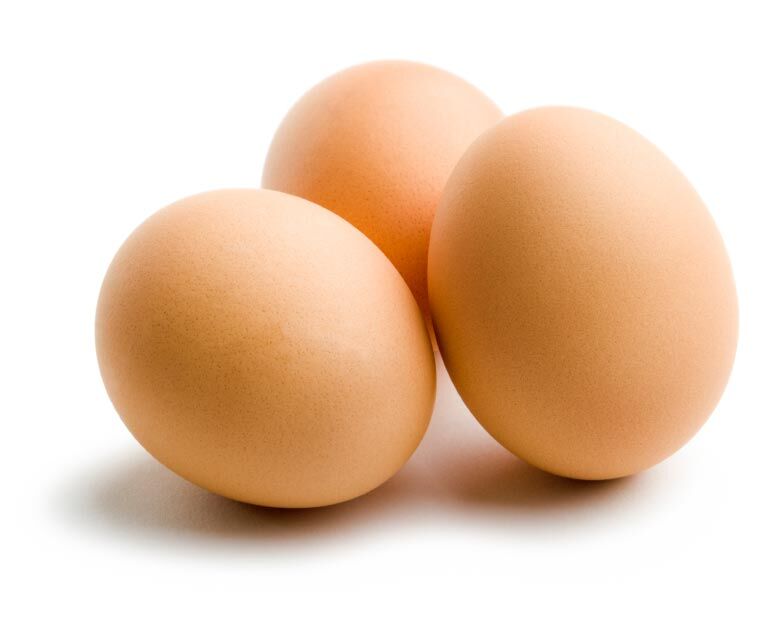
Eggs once suffered from a misconception that they increase cholesterol levels. Actually, eggs offer a strong gluten-free source of copper and selenium. They are one of the few dietary sources of vitamin D. For more nutritional value, add some cheese and salsa to make a quick delicious breakfast.
Fish for Omega 3 Fatty Acids
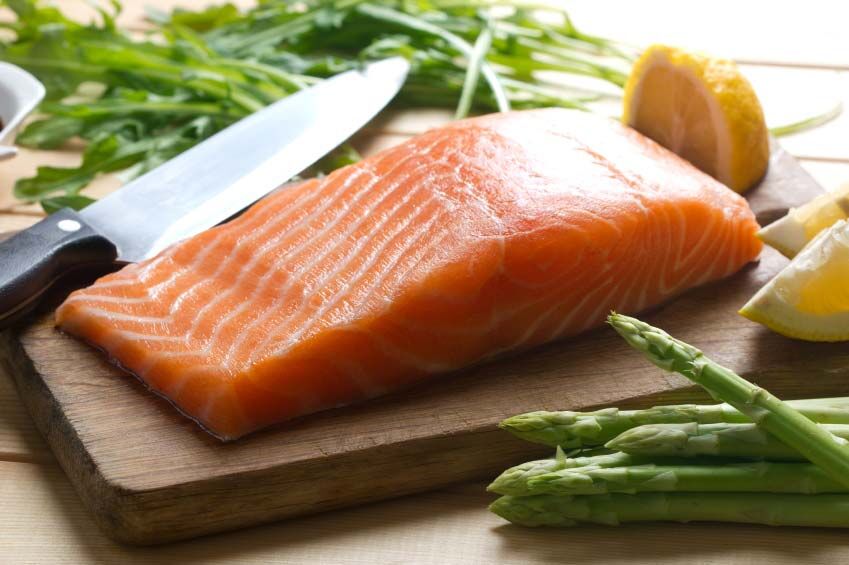
Including fish in your diet will provide you with a source of omega 3 fatty acids. Sauteed simply in olive oil with a squeeze of lemon, fish will make a quick weekday meal that can help prevent cardiovascular disease. The U.S. Food and Drug Administration recognizes the value of omega 3 fatty acids as a way to improve your cardiovascular health.
Brown Rice for Dietary Fiber
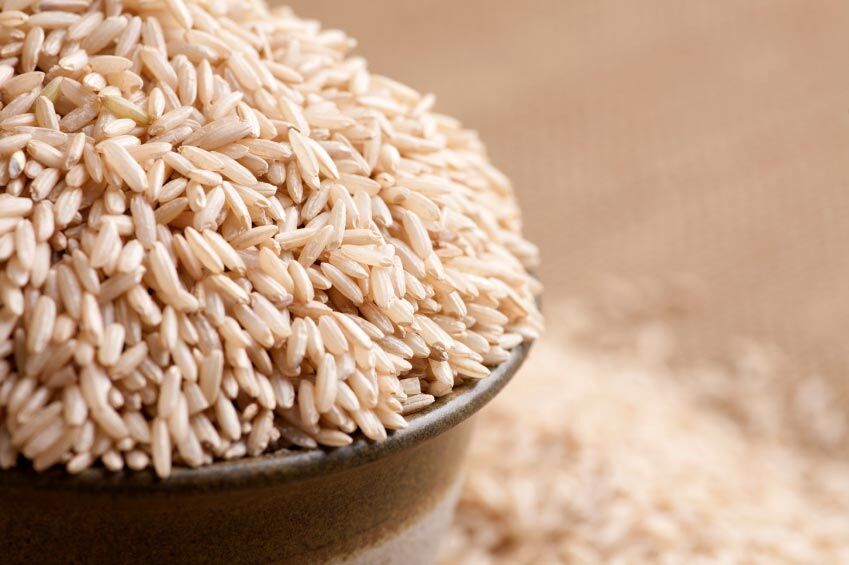
Rice is a great foil for your gluten-free recipes. Opting for brown or wild rice will increase your dietary fiber intake and fortify your gastrointestinal function. In addition, gluten-free whole grains can help lower your cholesterol.
Nuts for Cardiovascular Health
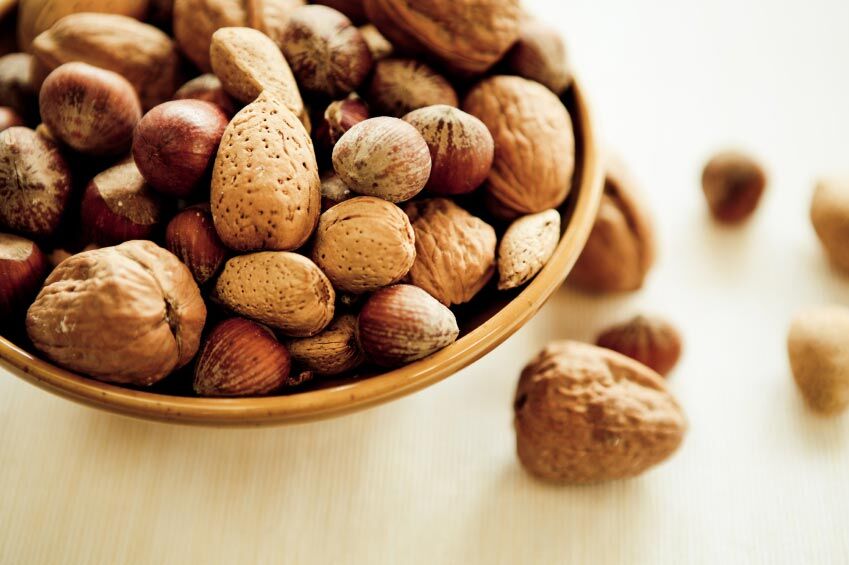
Lastly, nuts such as almonds and walnuts offer healthy gluten-free snacks that can improve your cardiovascular health and reduce your risk of certain types of cancer due to their antioxidant properties. Choose dry roasted nuts without added sugars or salt. With so many kinds of nuts from which to choose, there are plenty of nutritious food options to incorporate in a gluten-free diet.