Main Ingredients in Lotion Making
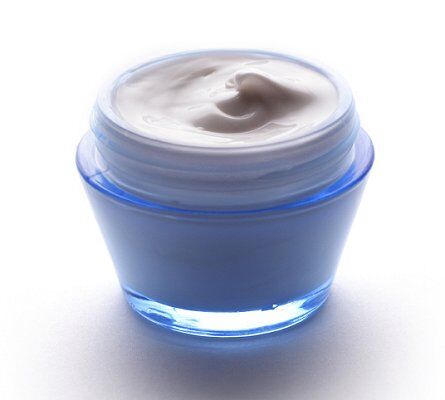
Understanding the main ingredients in lotion making cannot only help you better prepare your own homemade lotions, it can help you understand precisely what is in your favorite products so you can make wise choices about which lotions are best for your use. While the exact recipes and proportions of ingredients will vary for different lotion recipes, the main ingredients will remain constant.
Water
Water is one of the most important ingredients for any hand or body lotion. Water is the best moisturizer you can use, and distilled water is preferred for homemade lotions to avoid any unintended contaminants that might affect how the recipe blends together.
Oil
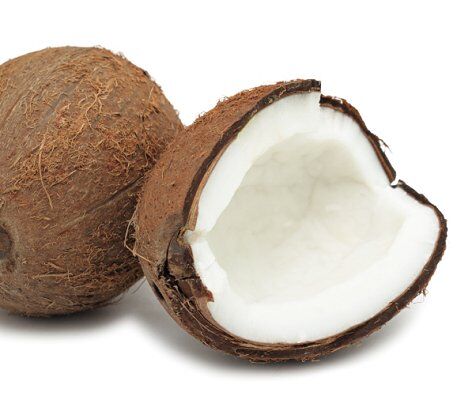
Oil is another key ingredient in lotion making. Some recipes will call for liquid oils while others will require solid oils or butters, and there are many types to choose from: avocado, coconut, shea, and olive oils are some of the most popular. The types of oils you choose are based on your personal preference and what type of lotion you wish to make.
Glycerin
Glycerin is a humectant that draws water from the air to the skin, and it helps create a smooth, moisturizing lotion. You can purchase purified glycerin from craft stores for making lotions and soaps, and buying it in bulk is the most cost effective choice.
Citric Acid
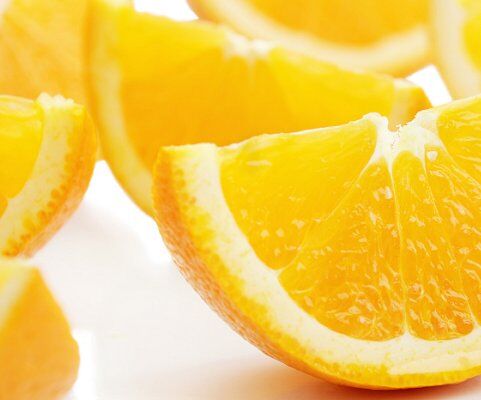
All lotions require preservatives to prevent the different ingredients from spoiling. Citric acid is one of the most popular choices, and it also helps lower the pH of the lotion to be more suitable for different skin types. The type of acid and the proportion will vary depending on the lotion recipe and what type of skin you are preparing it for.
Emulsifier
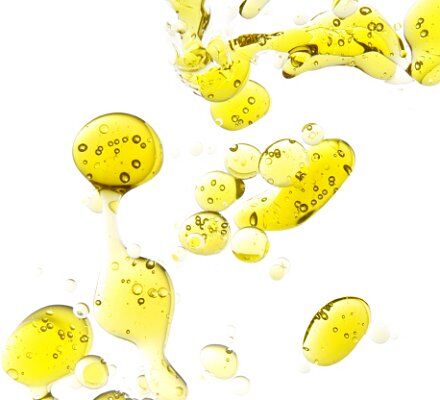
Even though oil and water are the two largest ingredients for making lotions, they won't mix without help. Emulsifiers help the two ingredients combine and stay mixed for a smooth, uniform lotion. Cetearyl alcohol and polysorbate 20 are two of the most common emulsifiers, but you may wish to try other options to find the one that works best for your lotion recipes.
Aloe
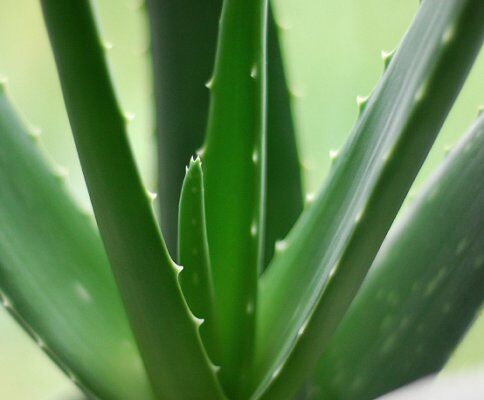
Aloe vera is a popular additive to many lotion recipes because of its soothing and healing properties. This is an especially popular choice if you are making lotions for sensitive skin.
Scents
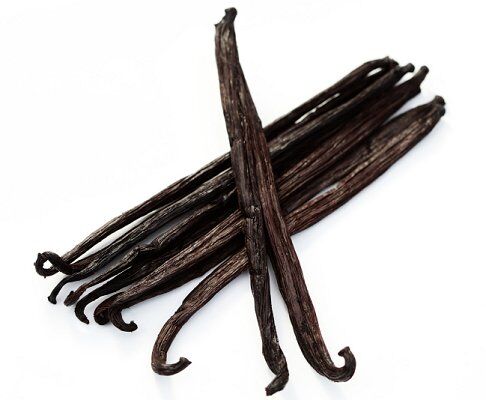
Vanilla is a soothing, gentle scent that is popular in many hand and body lotions. A few drops of vanilla essential oil can give your product a warm, lovely scent, and vanilla is often blended with other fragrances to make them more soothing and pleasant.
Anti-Microbials
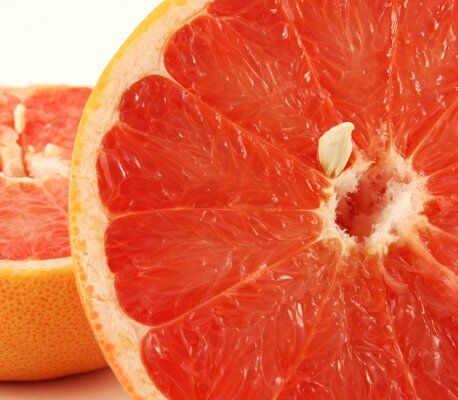
Water in lotions, if left untreated, can eventually harbor bacteria, fungus, and yeast, all of which can damage a product and change its properties so it is no longer useful. Anti-microbial agents such as grapefruit seed extract can help preserve your lotion's integrity and keep the water and other ingredients pure.
Color
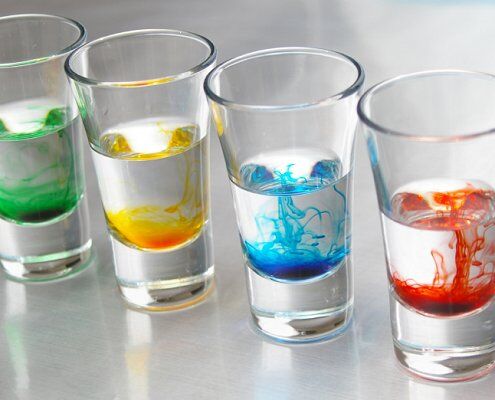
Adding a few drops of color to your lotion can give it a pleasant hue, and many homemade lotion recipes include colors that mimic whatever scents may be used for a particular lotion, such as a pink hue for a rose lotion or a yellow color for a citrus scent. While adding dyes is not mandatory, doing so can make your products more pleasant if you want to sell them or give them as gifts. Be sure to choose soluble dyes that won't settle out or color the lotion in different degrees over time.
More Scents

There are many lovely scents that are popular for lotions. Floral aromas such as roses, lavender, lilac, and gardenia are always a good choice, or you can opt for other natural scents such as honey, ocean breeze, or blended aromas. Some lotions even come in specialized aromatherapy blends to promote relaxation, energy, rejuvenation, or other properties.
Keep It Sterile
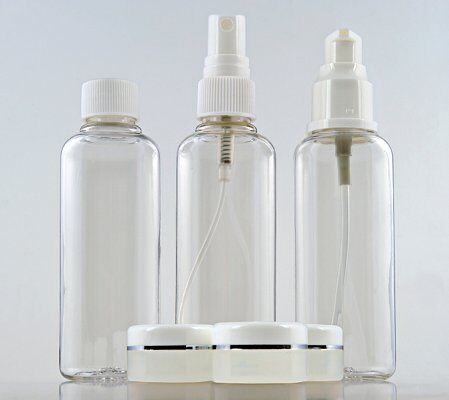
Whatever ingredients you use for making lotions, be sure to store them in appropriate sterile containers both before they are used and after the lotion is complete. Even a small amount of contamination can have disastrous effects on the properties of your lotion, and it is important to keep the lotions pure.
Smooth and Silky
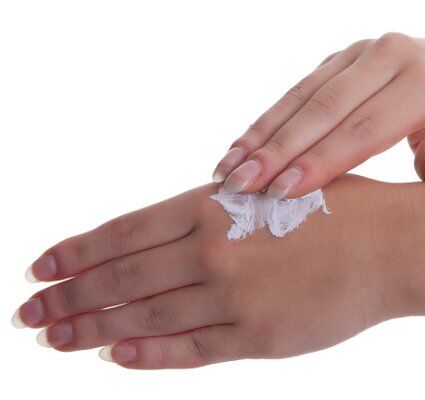
By understanding the main ingredients in lotion making, it becomes easier to follow homemade lotion recipes to create your own beauty products that are specially formulated for your needs. Whether you are interested in hand lotions or body lotions, knowing just what you are making can help you make it better.